
What Should You Check Before Installing a Boom Barrier?
Release time:
2026-11-03
Installing an automatic boom barrier is not just a matter of fixing a barrier cabinet beside a driveway. For Singapore condominiums, commercial buildings, offices and industrial properties, the system must suit the entrance layout, traffic volume, access-control equipment and site safety requirements. Early planning can reduce installation changes, prevent vehicle queues and make future servicing easier.
BAROXON's product range includes boom barrier gates, high-speed barriers, LPR/ALPR car plate systems, automatic RFID boom barriers, radar sensors and barrier accessories. The best configuration depends on the actual site and the exact model selected, so confirm product specifications with the supplier before work begins. This guide sets out ten checks to complete before installation.
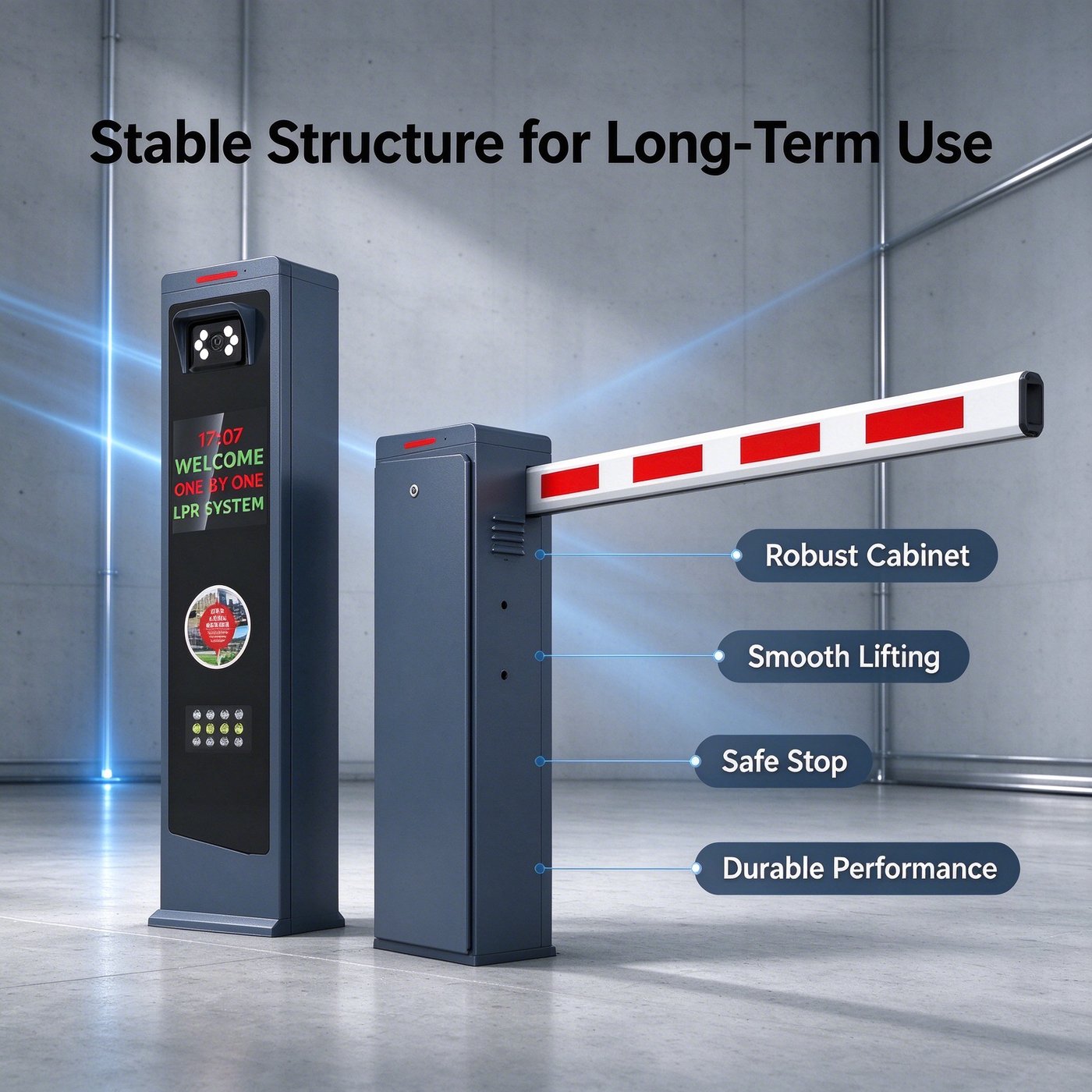
1. Survey the Entrance and Measure the Site
Start with a site survey. Record the clear lane width, available space for the barrier cabinet, vehicle approach angle, turning radius, kerbs, drains, columns, overhead structures and the location of nearby pedestrian routes. Check whether vehicles can stop fully before the boom without blocking a public road, ramp or neighbouring access.
Measure the full movement area of the boom arm, not only the cabinet footprint. Where the entrance has limited overhead clearance, ask whether a folding-arm configuration is available for the proposed model. Do not assume every barrier supports every arm style or length.
For basement entrances and sloping driveways, assess gradient transitions, visibility, drainage and the position where vehicles wait. A barrier positioned too close to a bend or steep ramp may create poor sightlines or leave insufficient room for a vehicle to queue safely.
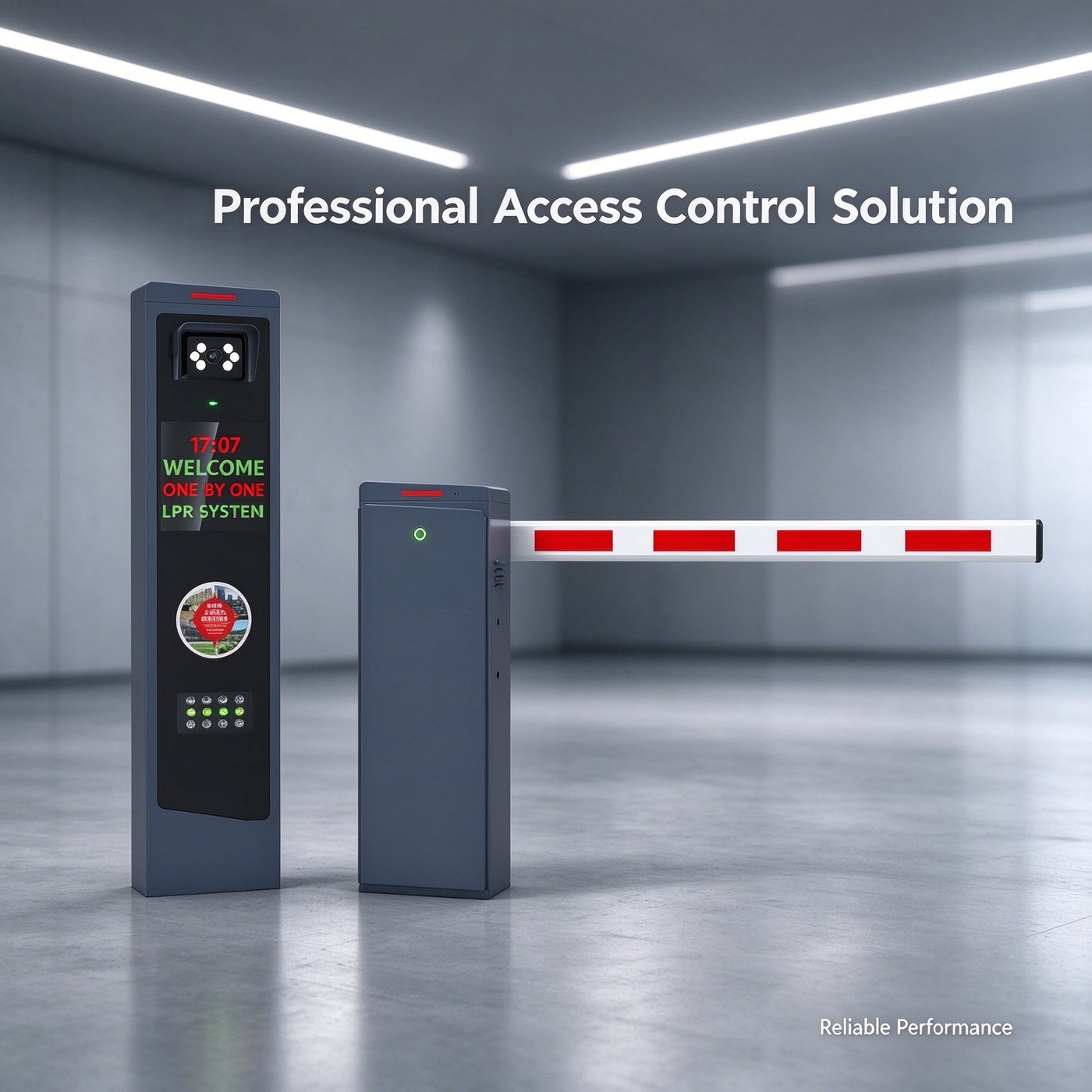
2. Match the Barrier to Traffic Volume and Operating Frequency
Estimate the number and types of vehicles using the entrance during morning and evening peaks. A condominium serving residents and visitors may have a different traffic profile from a shopping centre, office tower, logistics facility or industrial site. Also establish whether the lane handles cars only or includes motorcycles, vans and heavy vehicles.
Ask the supplier for the selected model's opening time, rated duty cycle, motor type, supported boom length and endurance-test conditions. BAROXON lists high-speed and brushless DC barrier options for high-frequency applications, but performance figures apply to specific models and test conditions. Request the exact datasheet instead of treating a headline speed or cycle-life figure as universal.
Do not evaluate throughput by barrier speed alone. Reader response, LPR camera performance, access permissions, payment processing, controller response and vehicle spacing all influence how quickly a lane clears. Plan sufficient waiting space and define how queues will be managed at peak periods.
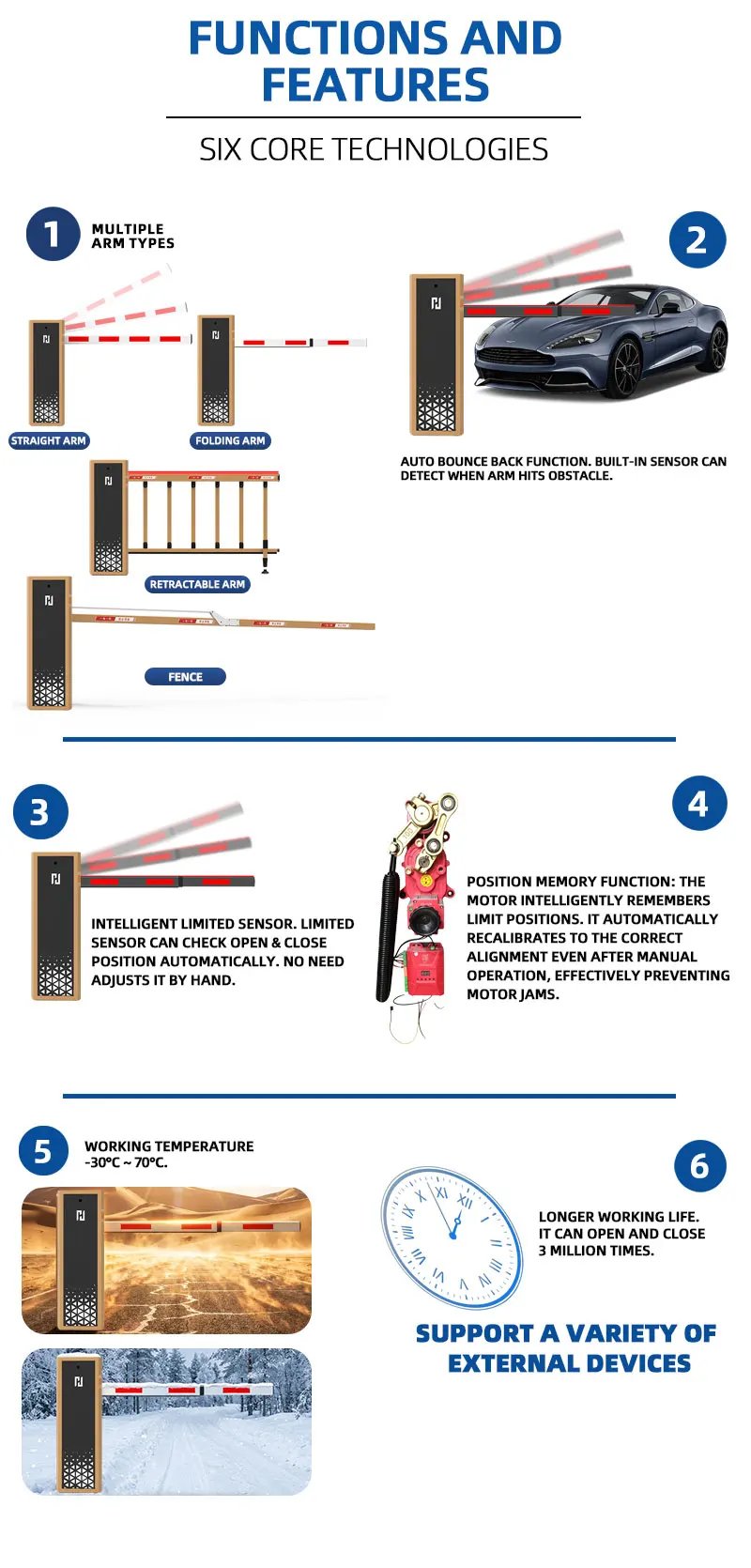
3. Choose the Right Boom Arm and Cabinet Position
Select an arm type based on the measured lane, clearance, traffic direction and required security arrangement. A straight arm is often suitable for a conventional open lane with adequate vertical clearance. A folding arm may be worth assessing where overhead clearance is restricted. Specialised or fence-style arms should be considered only where the site layout and model specifications support them.
| Boom arm type | Typically assessed when | Points to confirm with the supplier |
|---|---|---|
| Straight arm | The lane is open and vertical clearance is sufficient | Supported arm length, opening time and balancing method |
| Folding arm | Ceilings, pipes or overhead services limit lift height | Whether the exact model supports folding operation and the required geometry |
| Fence-style or specialised arm | The layout needs a physical barrier across a wider opening | Wind loading, foundation design and whether the model is rated for the arm |
Confirm the arm length and balancing method with the supplier. A longer or heavier boom can affect the barrier's operating characteristics and must be matched to the correct mechanism. Check the opening direction and make sure the arm will not strike signs, ceilings, lighting, pipes or other vehicles.
Position the cabinet where authorised staff can access it for inspection and servicing without standing in the vehicle path. Allow room for the boom's movement, foundation fixings, cable entry and any required control equipment.
4. Specify Safety Sensors and Collision Prevention
Before installation, identify all vehicle and pedestrian conflict points. Consider cars stopping beneath the boom, tailgating, reversing, motorcycles passing beside cars, pedestrians crossing the driveway and vehicles waiting on a slope. The safety design should reflect real site behaviour rather than only the ideal vehicle path.
Ask which detection devices are compatible with the selected barrier, such as vehicle-detection radar, loop detectors, photocells or other presence sensors. BAROXON lists radar sensors in its product range. Confirm the exact sensor type, detection coverage, controller logic and response when an obstruction is detected. An anti-collision boom barrier for commercial entrances may suit sites where vehicle conflict risk is high.
Do not assume that an anti-collision feature replaces a complete safety assessment. Specify suitable warning signs, road markings, lighting, stopping positions and manual or emergency procedures. Have the installer test the safety logic during commissioning, including reversing vehicles and motorcycles where relevant.
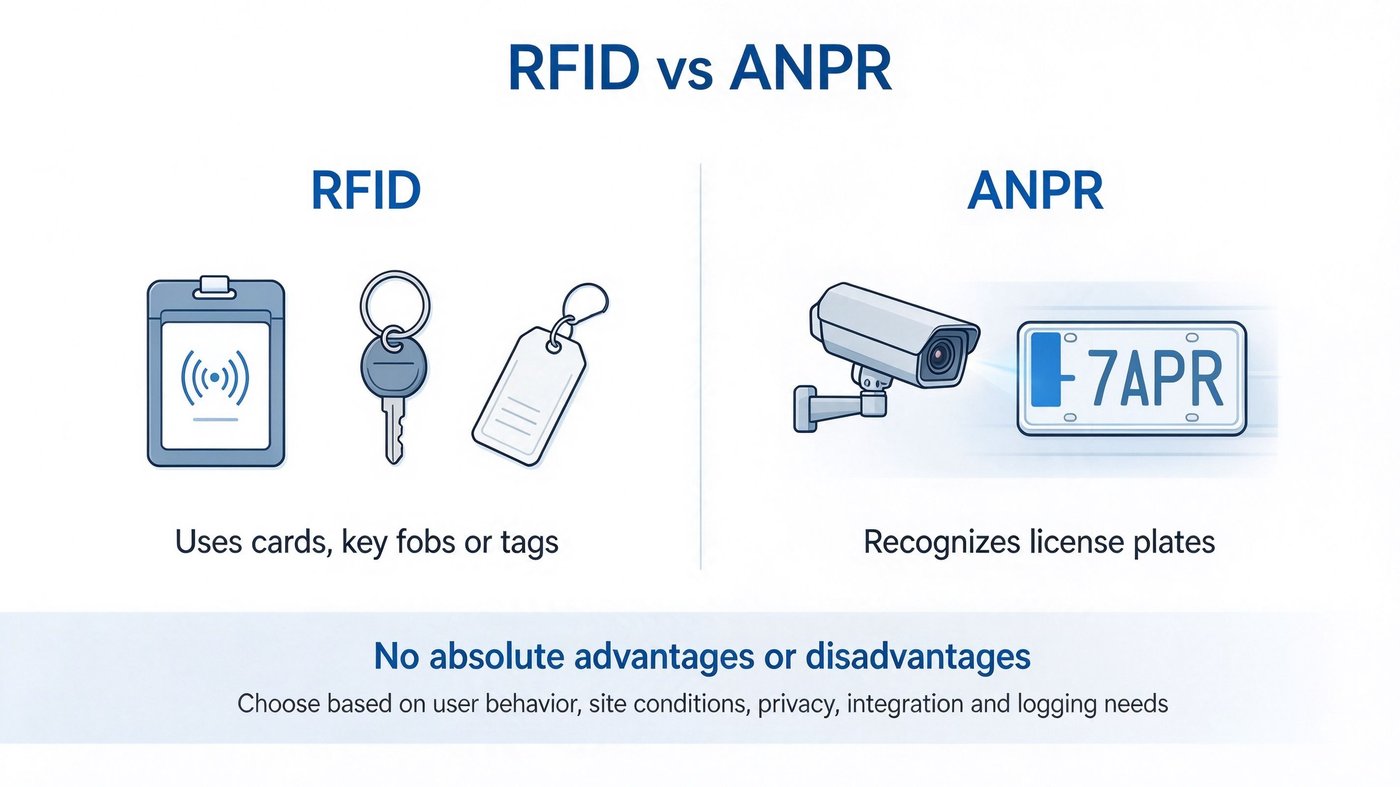
5. Confirm LPR, RFID and Existing Access-Control Integration
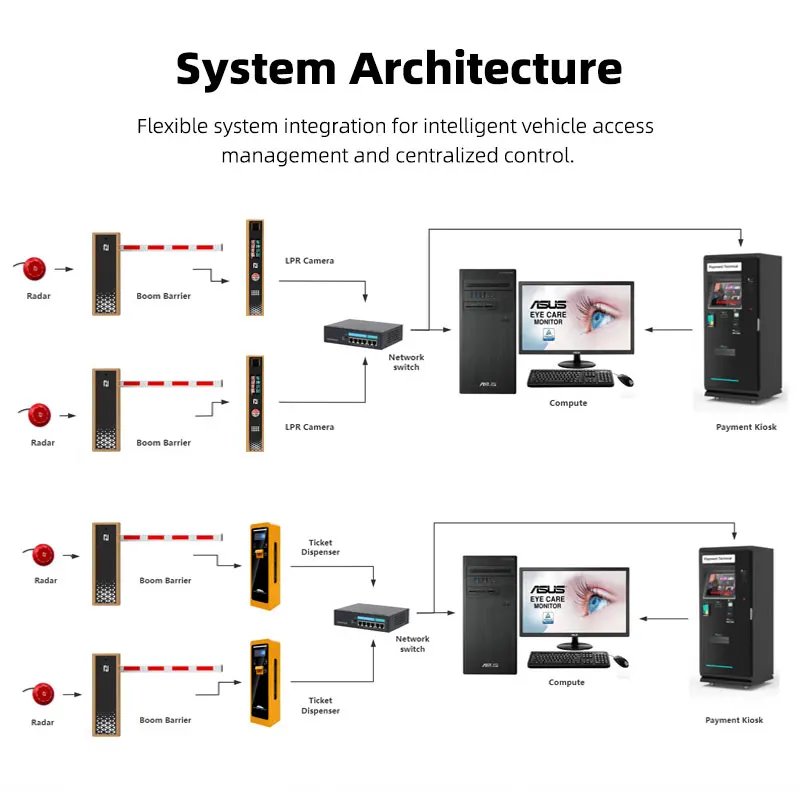
List the equipment already in use, including LPR/ANPR cameras, RFID readers, access cards, intercoms, parking-management software, payment terminals and security monitoring systems. Establish which system authorises entry, which sends the open command and where access events are stored.
BAROXON offers LPR/ALPR systems and automatic RFID boom barrier options. Relevant product configurations may list interfaces such as TCP/IP, Wiegand or RS485. Interface availability varies by model; ask the supplier and the existing system integrator to confirm protocol compatibility in writing before ordering.
Agree on fallback procedures for unreadable number plates, network interruptions, reader failure, power loss and visitor access. Decide who can authorise manual opening, how incidents are recorded and how the entrance will operate if one component is unavailable.
6. Check Power, Cabling and Foundation Requirements
Confirm the power supply and electrical requirements for the exact model. Plan cable routes for the barrier, access-control devices, sensors, network equipment and any control cabinet. Coordinate with qualified electrical contractors and the building management team before drilling, trenching or fixing equipment to structural elements.
Check the foundation size, mounting surface, drainage, nearby utilities and maintenance access. For underground car parks, review headroom, columns, overhead services and the route for bringing equipment into the installation area. Ask the supplier for installation drawings, fixing details and wiring diagrams.
Keep the barrier cabinet, isolator and control equipment accessible for authorised maintenance. Cable protection and routing should suit the site conditions and avoid creating trip hazards or interfering with vehicle and pedestrian movement.
7. Review Environmental Protection and Site Conditions
Singapore's humid climate, rain exposure, cleaning routines and basement conditions should be considered when selecting the equipment location. Check the enclosure's ingress-protection rating, corrosion protection, ventilation requirements and permitted operating environment. An IP rating does not mean a product is suitable for flooding, immersion or every high-pressure wash-down scenario.
Some BAROXON barrier models list IP54 protection. Treat this as a model-specific specification and check the datasheet for the exact unit. If the location is exposed to standing water, frequent wash-down, corrosive cleaning chemicals or a risk of flooding, obtain written confirmation of suitability and any additional protection needed.
8. Plan Testing, Handover and Maintenance
Before handover, test opening and closing, access permissions, safety sensors, emergency procedures, manual operation and integration with the parking system. Test realistic cases such as a vehicle stopping beneath the arm, a rejected credential, an unreadable plate and a temporary network interruption.
Request user training, an operating manual, maintenance schedule, warranty terms, spare-parts information and service contact details. Agree on inspection frequency based on the manufacturer's instructions, traffic volume and site conditions. Do not adjust springs, drive mechanisms or electrical components unless authorised and qualified to do so.
9. Boom Barrier Installation Checklist
Use this checklist before confirming the purchase or scheduling installation:
- Site survey completed; lane width, headroom and turning clearance measured.
- Traffic volume, vehicle types and peak-hour queue space assessed.
- Boom-arm type, length, opening direction and cabinet position confirmed.
- Exact model's duty cycle, opening speed, power and environmental specifications checked.
- Vehicle detection, obstruction response and pedestrian risks assessed.
- LPR/ANPR, RFID, access cards and parking software compatibility confirmed.
- Foundation, cabling, drainage and maintenance access planned.
- Installation drawings, wiring diagrams and accessory list received.
- Commissioning tests, user training and emergency procedures agreed.
- Warranty, spare parts and after-sales support clarified.
10. Why Consider BAROXON for Your Boom Barrier Project?
BAROXON's product portfolio covers automatic boom barrier gates for car parks, high-speed barriers, LPR/ALPR car plate systems, automatic RFID boom barriers, radar sensors and barrier accessories. This range allows project teams to assess the barrier and related access-control components as part of one vehicle-entry solution.
The correct choice depends on the entrance and the operating requirements. Share the site dimensions, expected traffic, preferred arm type, available power supply and existing access-control equipment with the supplier. Request a model-specific quotation, installation drawing and written confirmation of compatibility before approving the final specification.
Related reading from BAROXON: what a parking barrier is and where it is used, how an automatic parking barrier system works and how to choose a heavy-duty parking barrier. For product options, see the parking access control product range.
Frequently Asked Questions
What is the first thing to check before installing a boom barrier?
Start with a site survey. Measure the lane width, available headroom, turning space, cabinet location and vehicle stopping area. These measurements affect the boom-arm type and installation position.
Do I need safety sensors with an automatic boom gate?
The safety devices should be selected according to the site risk assessment, traffic pattern and barrier model. Discuss compatible vehicle-detection and obstruction-sensing options with the supplier, and test the safety logic during commissioning.
Can a BAROXON boom barrier integrate with LPR or RFID?
BAROXON offers LPR/ALPR and automatic RFID barrier options. Compatibility with a particular parking controller or software depends on the selected model, interfaces and protocols, so obtain confirmation before ordering.
What should be included in an installation quotation?
Ask for the barrier model and arm specification, accessories, safety sensors, installation works, cabling, controller integration, commissioning, training, warranty and maintenance arrangements. Clarify which items are excluded from the quotation.
How often should a boom barrier be maintained?
Follow the manufacturer's maintenance schedule and adjust inspection planning to the actual traffic volume and operating environment. Ask the supplier for model-specific service intervals and recommended checks.
Call to Action
Planning a new boom barrier installation or upgrading an existing car park entrance in Singapore? Contact BAROXON to discuss site measurements, boom-arm options, traffic requirements and integration with LPR, RFID or parking-management equipment. Request the exact model datasheet and installation recommendation before work starts.
Latest News
Baroxon® | Leading Boom Barrier Manufacturer
Advanced Security Access Control and Intelligent Parking Solutions.
Company Strength
Adequate Inventory
Fast Shipping
Our Products
CONTACT US
Address: No. 2 Wanshou Road, International Innovation Industrial Park, Jinan, Shandong, China




© COPYRIGHT 2025 Baroxon® | Leading Boom Barrier Manufacturer


Contact Us
Professional Manufacturer of Vehicle Barriers & License Plate Recognition Cameras,Smart Parking Access Control Solutions for Global Clients,Reliable Barrier Gates + LPR Systems, Customized to Your Project,From residential communities, commercial shopping malls, industrial parks to highway toll stations, our matched barrier & LPR sets can realize automatic license plate identification, automatic gate lifting, real-time access records, automatic charging and remote management.